
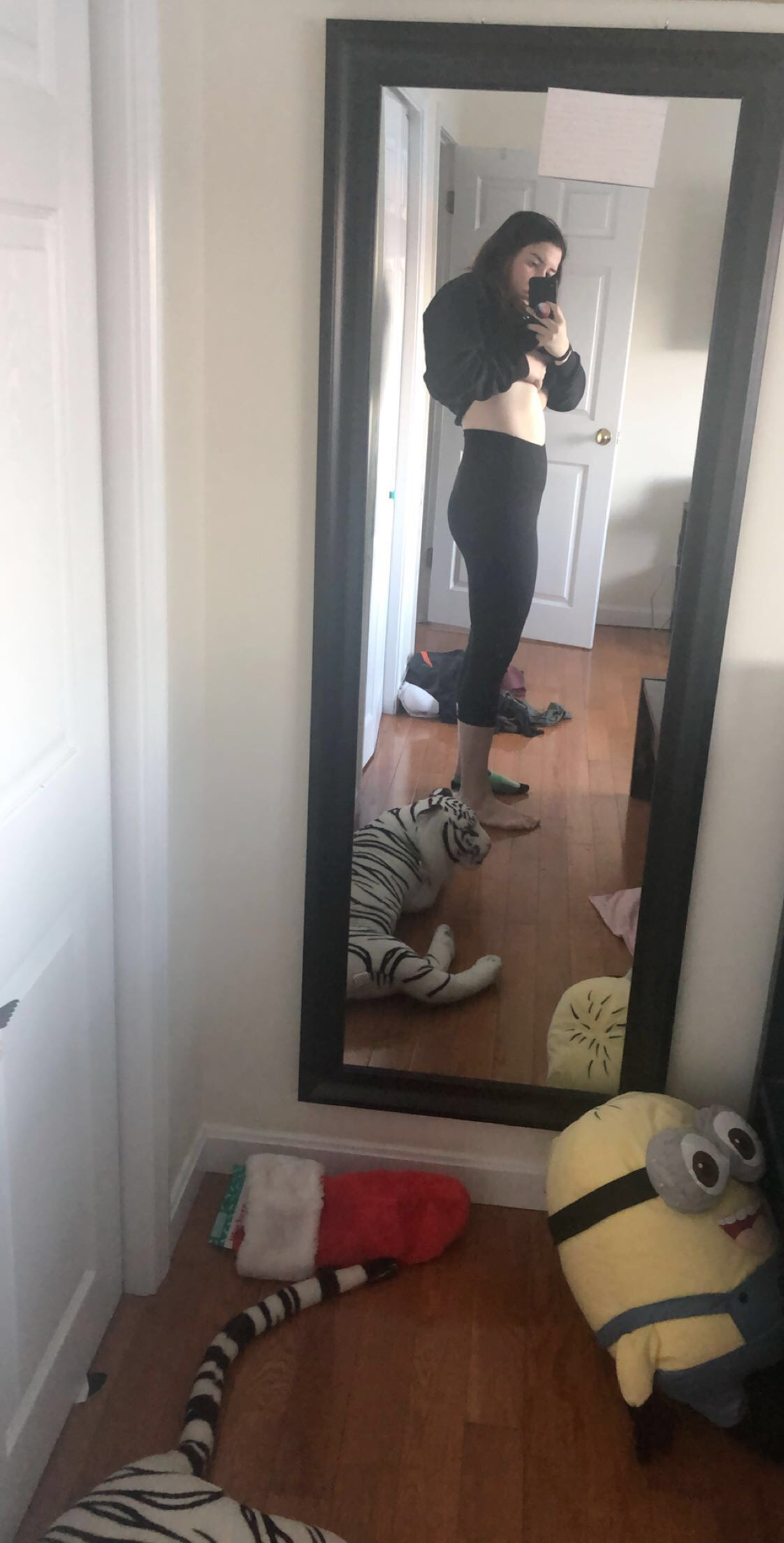
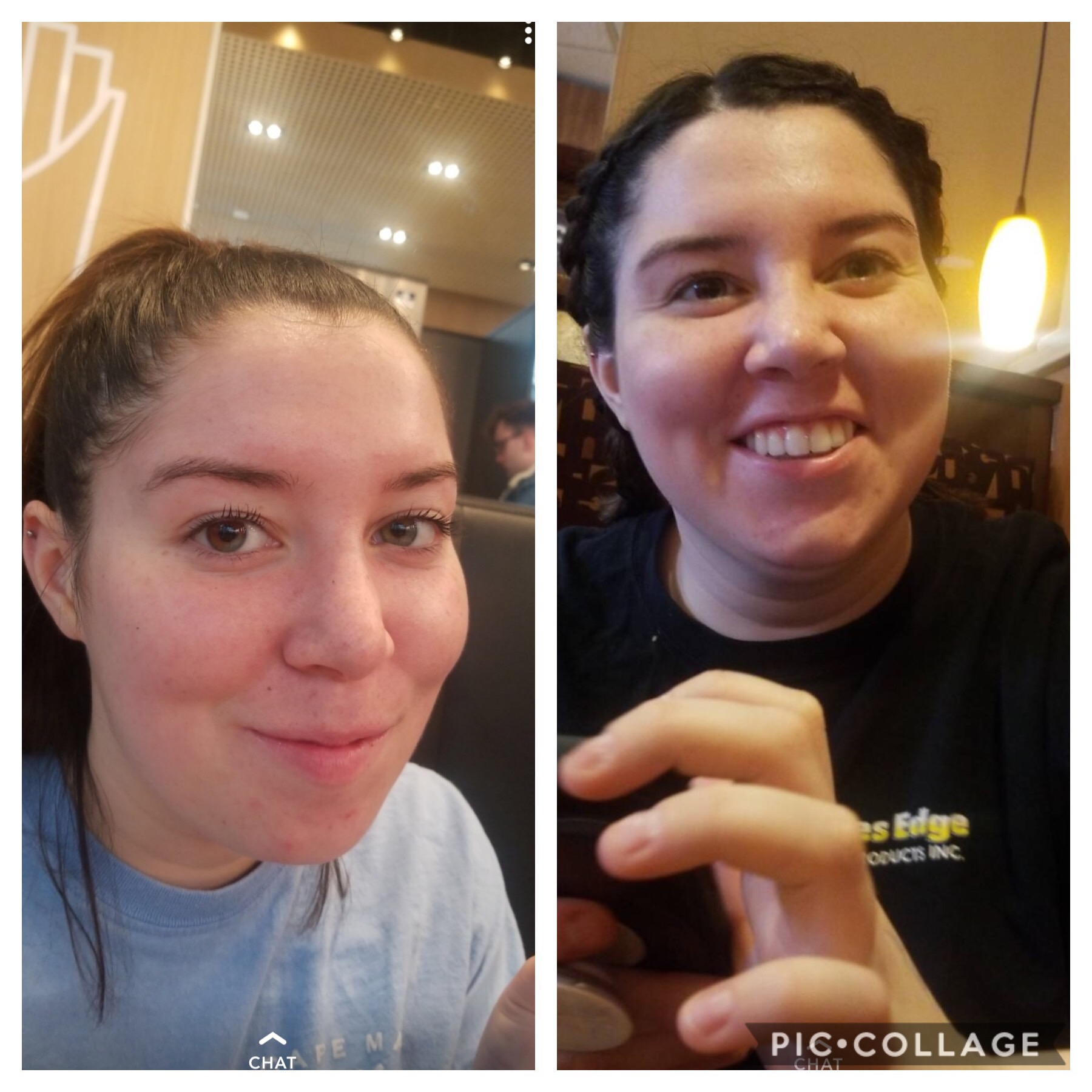
Losing weight was something I thought was easy, and would not have many repercussions. For most of my life, I assumed I was ‘fat’ and at least knew I was larger than those who were around me. This is the first time I am going to be talking about this so bare with me here, it is a difficult topic. After losing quite a lot of weight and still thinking I was fat, I came to the realization I had body dysmorphia. Body dysmorphia is a mental disorder in which people imagine a physical defect that others cannot see. For me, I would see myself a lot larger than I actually was. If you look at the picture posted, I thought I looked huge and it looked as though I was the same weight than when I started. Although I was close to a healthy weight, I did not see myself as looking healthy, but rather still looking obese. It is hard for me to understand that I might never see my body the way it is, but hopefully with a lot of mental practice I will be able to break through. As the International OCD Foundation states, Body Dysmorphic Disorder (BDD) affects 1.7% to 2.9% of the general population which is about 1 in 50 people. Due to the fact that people are often reluctant to reveal their symptoms, and often do not notice they have body dysmorphic disorder, it might actually be more common than it already is. The International OCD Foundation found that body dysmorphic disorder “is about as common as, or perhaps more common than, obsessive-compulsive disorder (OCD) and more common than disorders such as anorexia nervosa and schizophrenia”. Some studies have also found that more people had “BDD than other disorders that are considered to be common, such as social anxiety disorder (social phobia) and obsessive-compulsive disorder”. It is crazy to think how common this disorder, but how little people know they have it because they assume they are seeing their body the way it is supposed to be. Coming to terms with oneself and accepting the fact that they have body dysmorphia is the first step. Anyone who has body dysmorphic disorder will have a long journey to recovery, most likely with therapy. I know I am willing to make the change to better myself, and I hope anyone else who has to suffer with BDD will make the steps as well to see the beautiful, perfect, version of themselves.
 Alyssa's Blog